

No results found

Filters
Diesel and LPG forklift trucks are material handling machines powered by internal combustion engines, designed for transporting, lifting, and storing pallets. These forklifts are most commonly used for outdoor operations, heavier loads, and long periods of continuous operation.
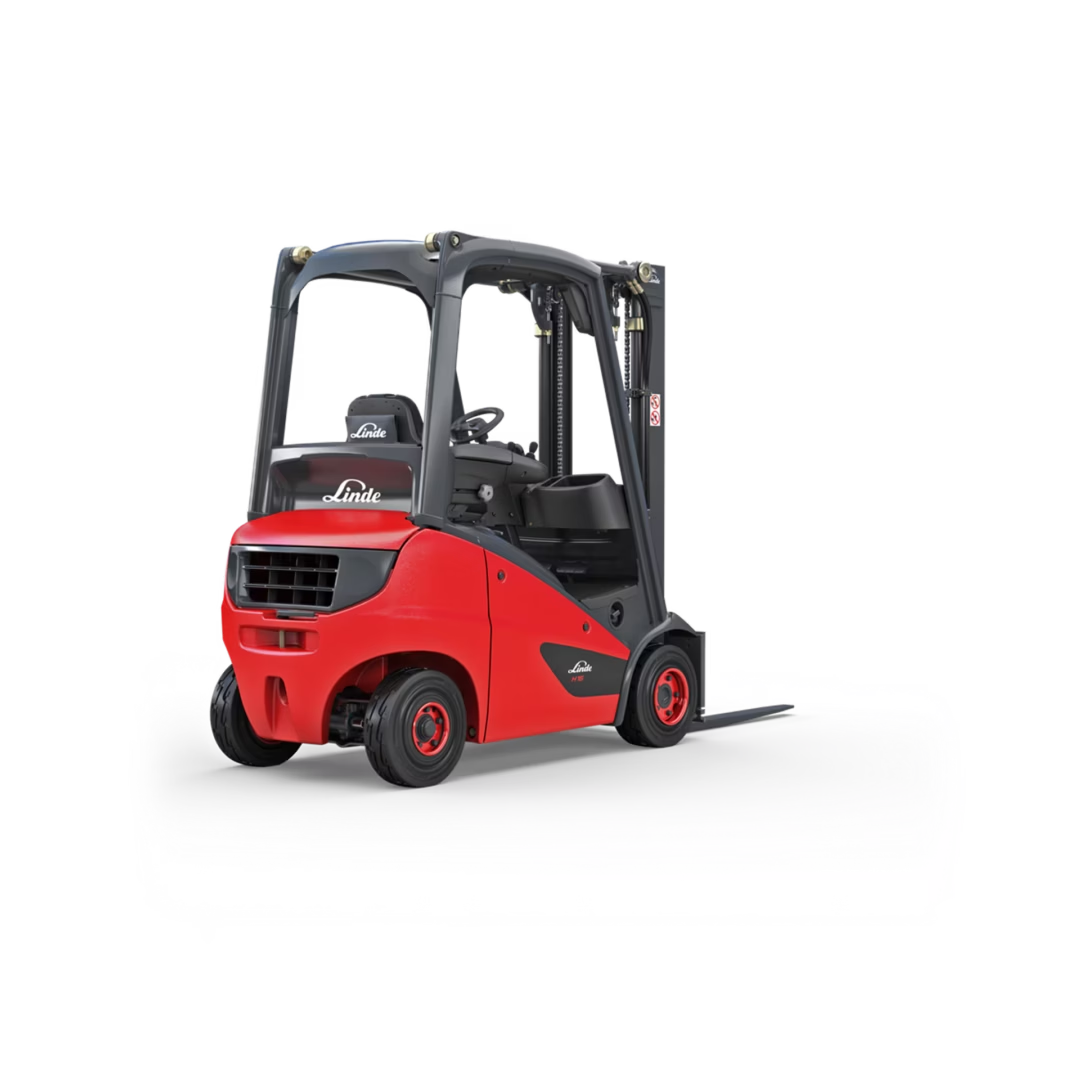
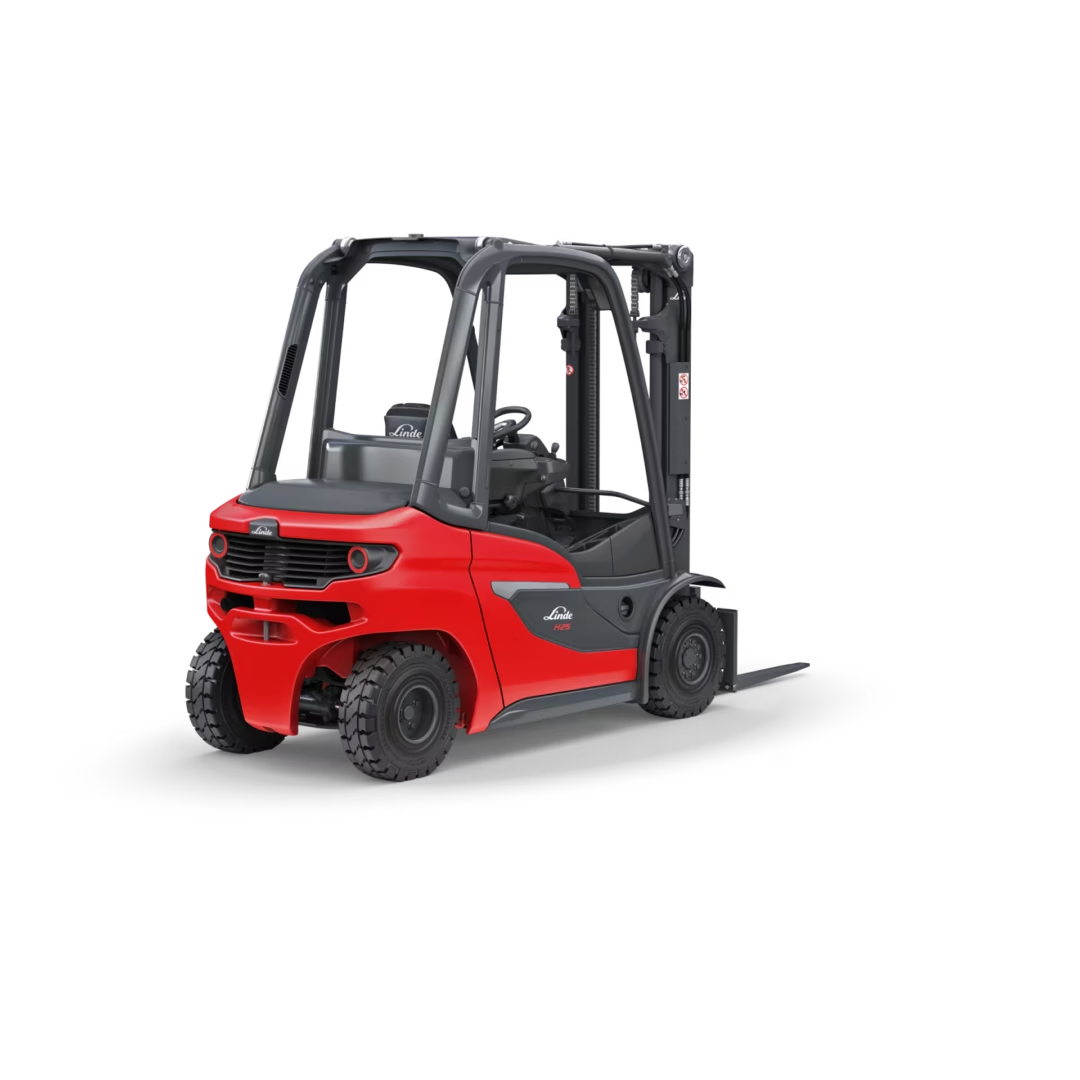
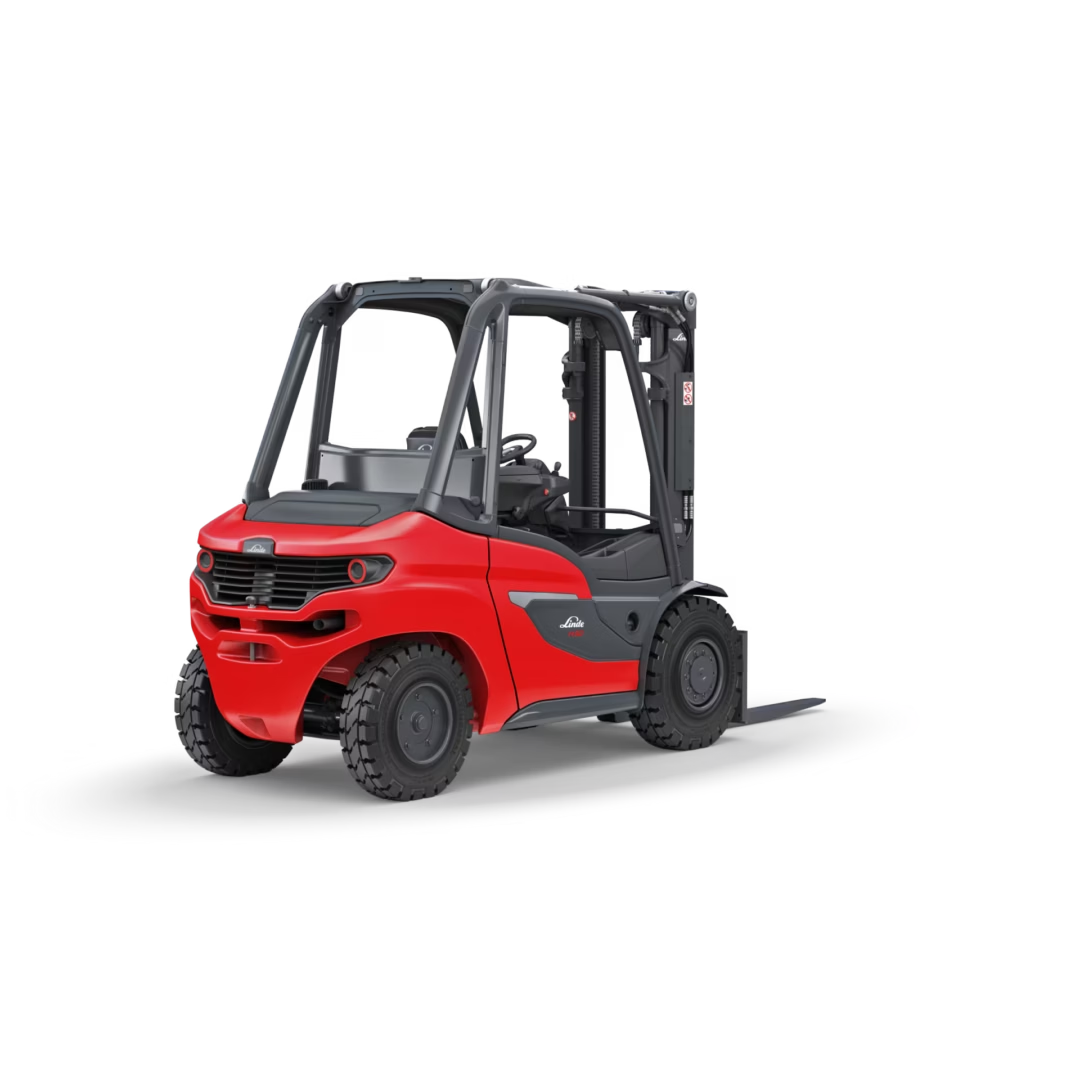
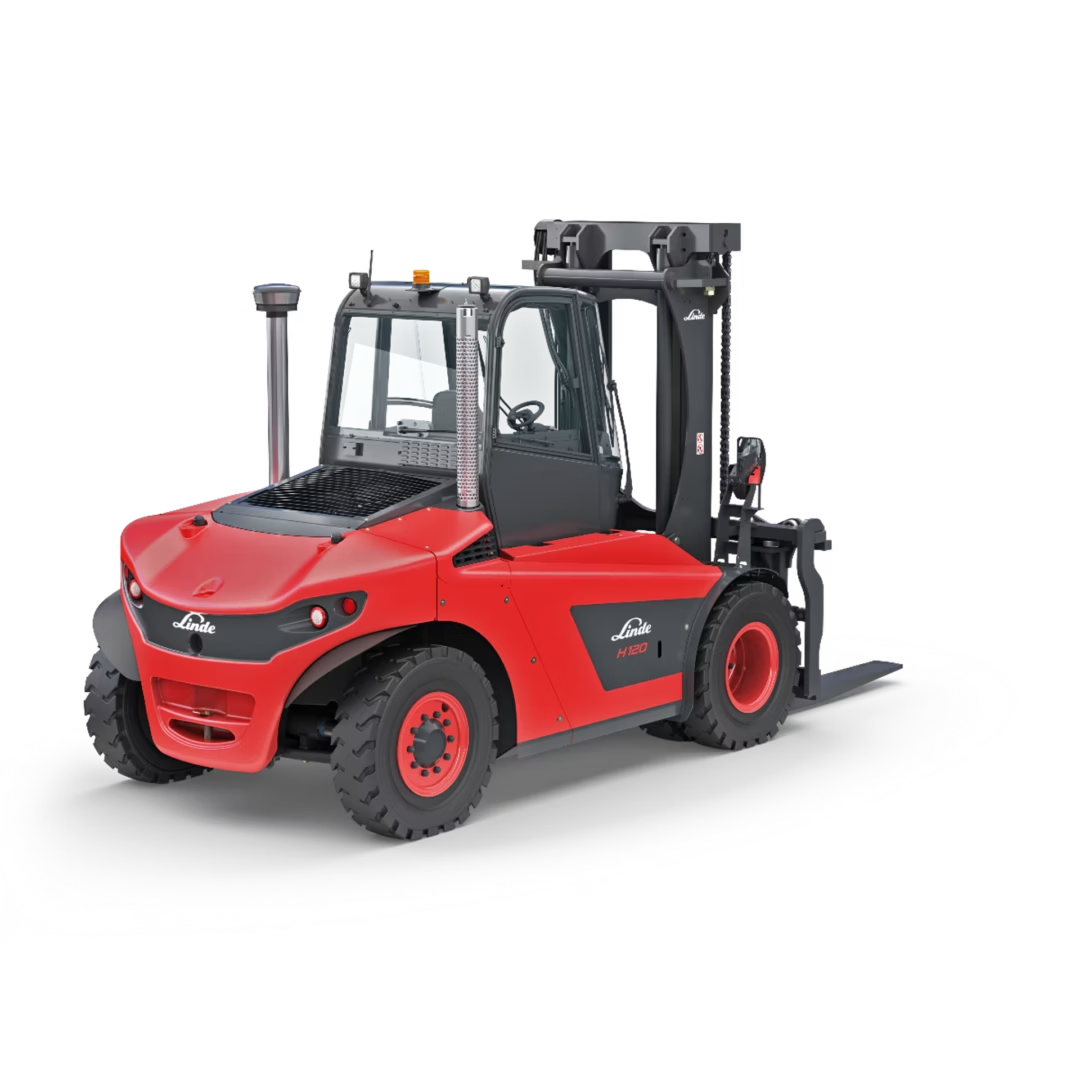
Alwark supplies H-Series models from Linde Material Handling with lifting capacities ranging from 2,050 kg to 18,000 kg and lift heights of up to 9,655 mm. This type of equipment is commonly used in quarries, construction sites, ports, heavy industry, and other environments where high operating autonomy and the ability to work under intensive conditions are essential.
Diesel forklifts are generally selected for intensive operations and heavier loads where long periods of continuous operation are required. LPG models typically produce lower local emissions and less odour than diesel models, making them suitable for properly ventilated indoor areas when occupational safety and air-quality requirements are met. In enclosed spaces without adequate ventilation infrastructure, electric forklifts are generally the preferred option.
Linde H-Series models offer lifting capacities ranging from 2,050 kg (H16) to 18,000 kg (H180 D). H20–H35 models (up to 3,500 kg) are commonly used for medium-duty manufacturing and warehouse operations. For more intensive construction work or the handling of heavier materials, H35–H50 or H50–H80 models are often selected. H100–H180 D class forklifts are designed for heavy-duty material handling operations, such as those in metal processing, ports, and container terminals.
Yes. New diesel models in the Linde H-Series are equipped with emissions control systems that comply with EU Stage V requirements under Regulation (EU) 2016/1628. Depending on the model and engine configuration, SCR (AdBlue) and particulate filtration systems may be used. Stage V compliance is often required for EU-funded projects, public procurement, and operations in certain low-emission zones (LEZ). Documentation confirming compliance for a specific model, including EU type-approval information, is provided when ordering.
Alwark supplies new, used, and rental H-Series forklifts. Used equipment undergoes a 40-point inspection and is provided with a 3-month or 300 operating-hour warranty, whichever comes first. Short-term rental is commonly chosen for seasonal demand, project-based work, or as replacement equipment during repairs. Long-term rental (12–60 months) generally includes preventive maintenance and, when required, replacement equipment in the event of a breakdown.
New equipment is covered by the Linde manufacturer’s warranty. Spare parts generally come with a 6–12-month warranty, while selected parts may be covered for up to 5 years. Service work is covered by a 6-month workmanship warranty. Service is available throughout the Baltic region through regional service centres. Heavy-duty H100–H180 D models may receive priority service support, as downtime for this type of equipment can have a significant impact on operational continuity in intensive applications.