Which Warehouse Processes Can Be Automated?
Many repetitive warehouse processes can be automated—from goods receiving and internal transport to storage, order picking, inventory management and dispatch. The right intralogistics solutions help reduce manual labour, maximise warehouse space utilisation and ensure faster, more accurate material flow throughout the warehouse.
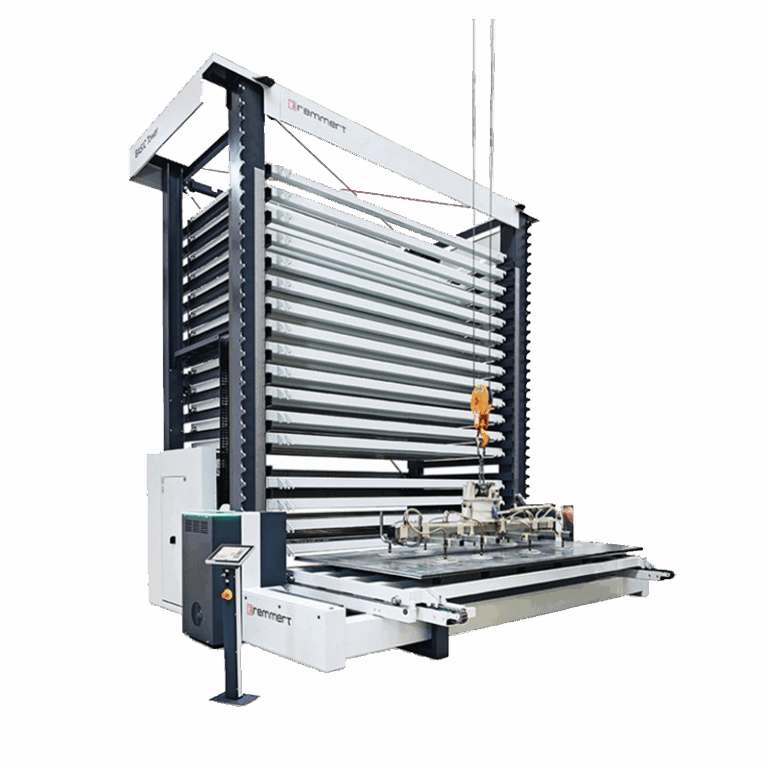
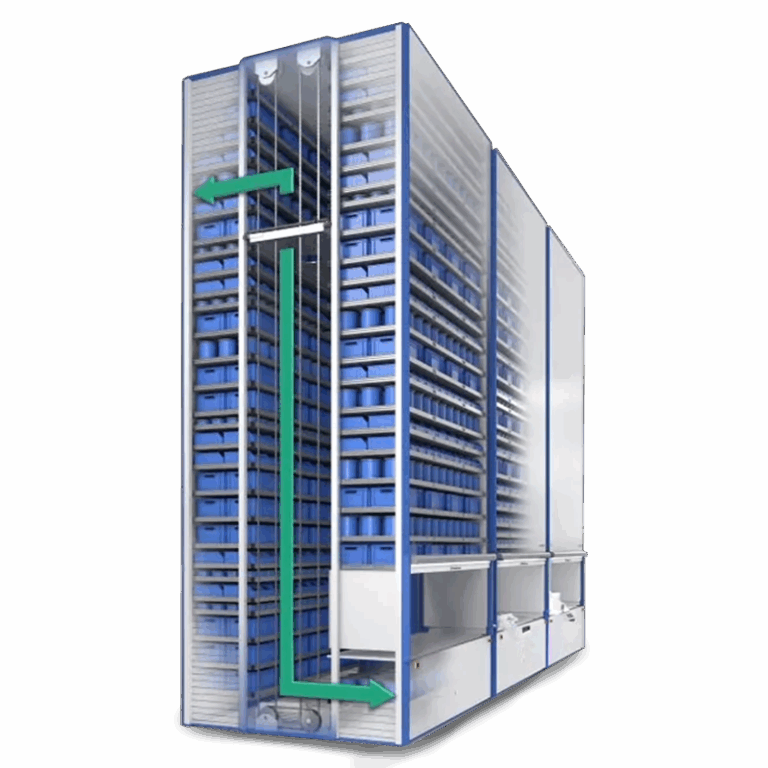
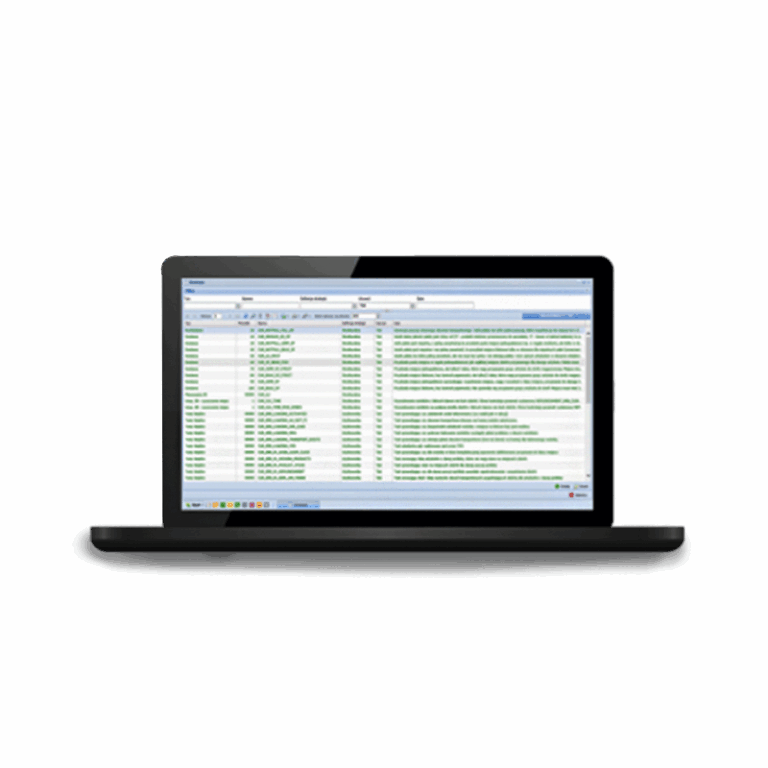
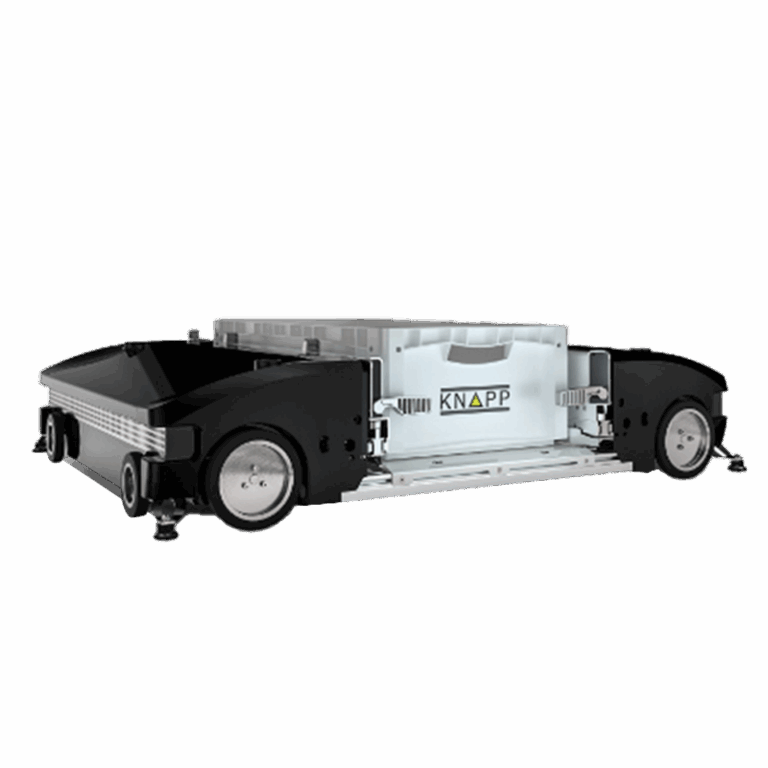
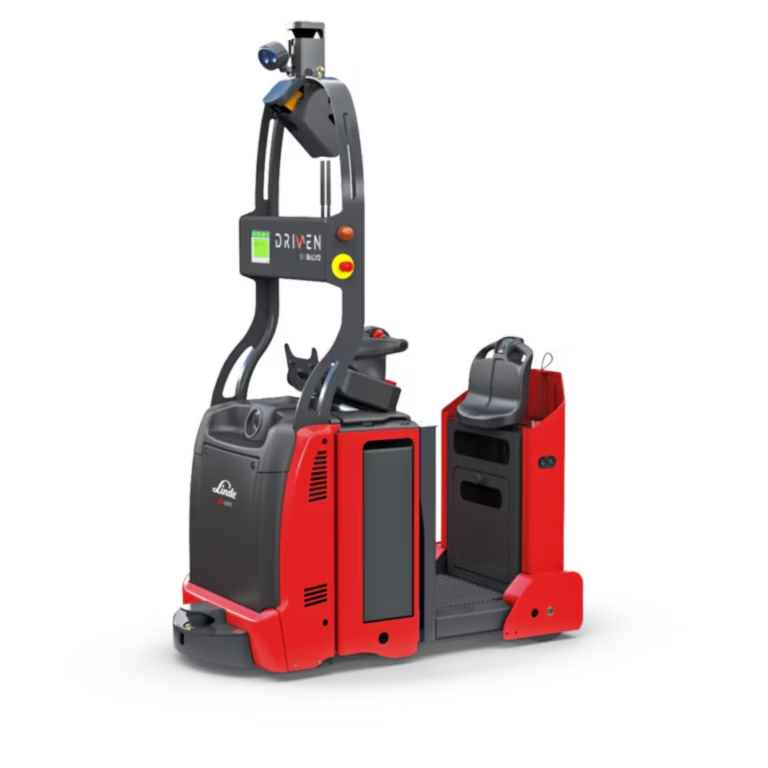
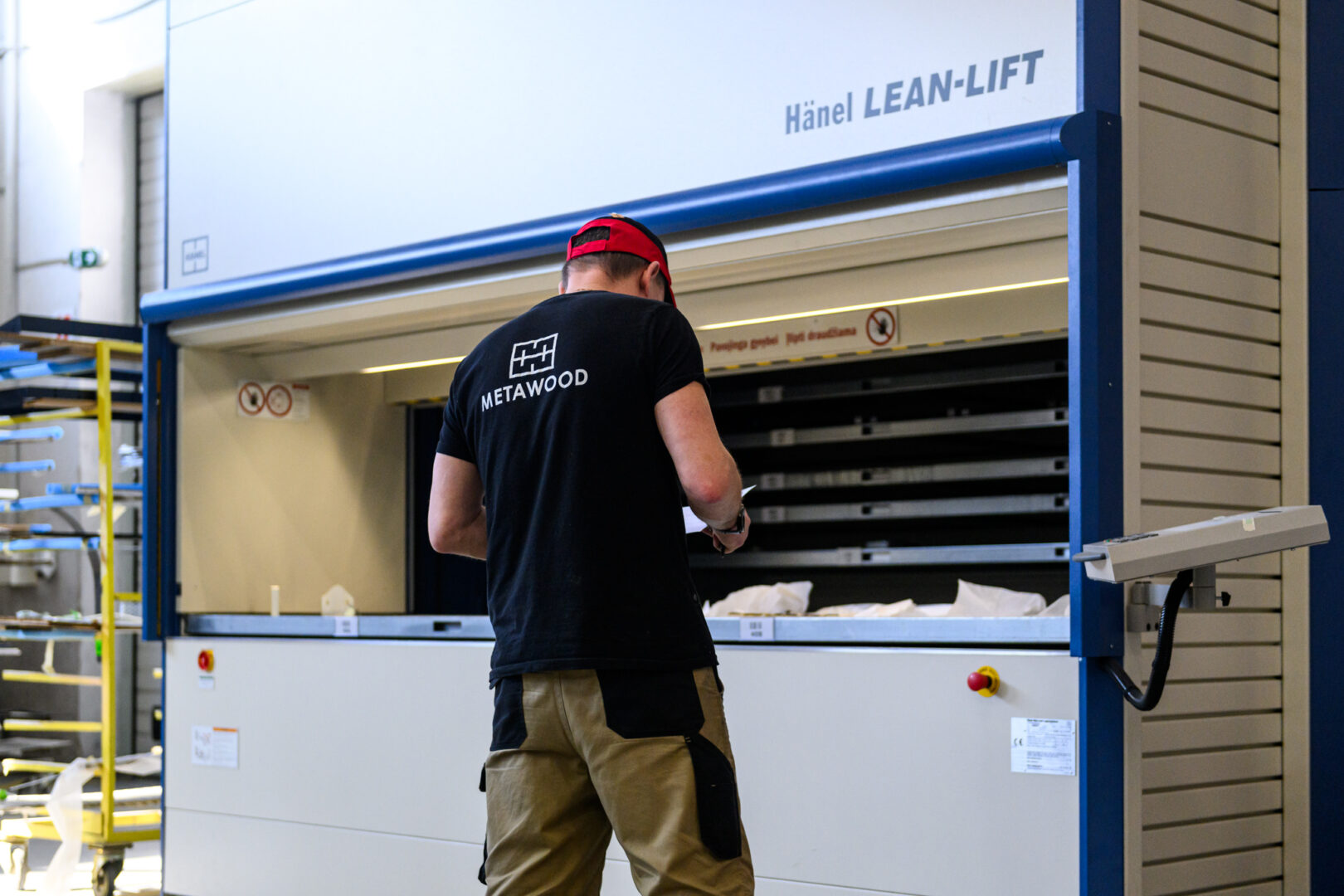
Depending on warehouse operations and the type of goods being handled, businesses can implement automated storage systems, vertical storage systems, robotic forklifts, Warehouse Management Systems (WMS), or specialised automated storage and production solutions for metal products.
It is important to note that warehouse automation does not necessarily require a complete warehouse transformation. In many cases, the greatest benefits can be achieved by automating a single process—typically the one that consumes the most time, requires the most labour, or is most prone to errors.
When Should a Business Automate Its Warehouse?
Warehouse automation becomes particularly valuable when growing business volumes begin to expose the limitations of existing processes. These challenges may include labour shortages, increasing error rates, inefficient use of warehouse space or slow material flow.
Automation is worth considering if:
- Warehouse space is limited or not being utilised efficiently.
- Employees spend significant time searching for goods or performing internal transport tasks.
- Order picking or inventory errors are becoming more frequent.
- It is difficult to maintain consistent productivity across different shifts.
- There is a shortage of staff for repetitive warehouse operations.
- Warehouse capacity is no longer keeping pace with increasing order volumes.
The key to successful automation is to start with process analysis rather than selecting a specific technology. By evaluating material flows, warehouse layout, operational intensity and integration requirements, businesses can identify the solution that delivers the greatest value for their specific operations.
How to Choose the Right Intralogistics Solution?
The right intralogistics solution is determined not by a single technology, but by the requirements of the entire warehouse operation. Factors such as material flow, product characteristics, operational intensity, available space and integration with existing IT systems should all be carefully considered.
For this reason, warehouse automation should begin with a thorough analysis of operational processes rather than with the selection of specific equipment. This approach ensures that the chosen solution delivers the highest possible efficiency, scalability and long-term return on investment.