No results found
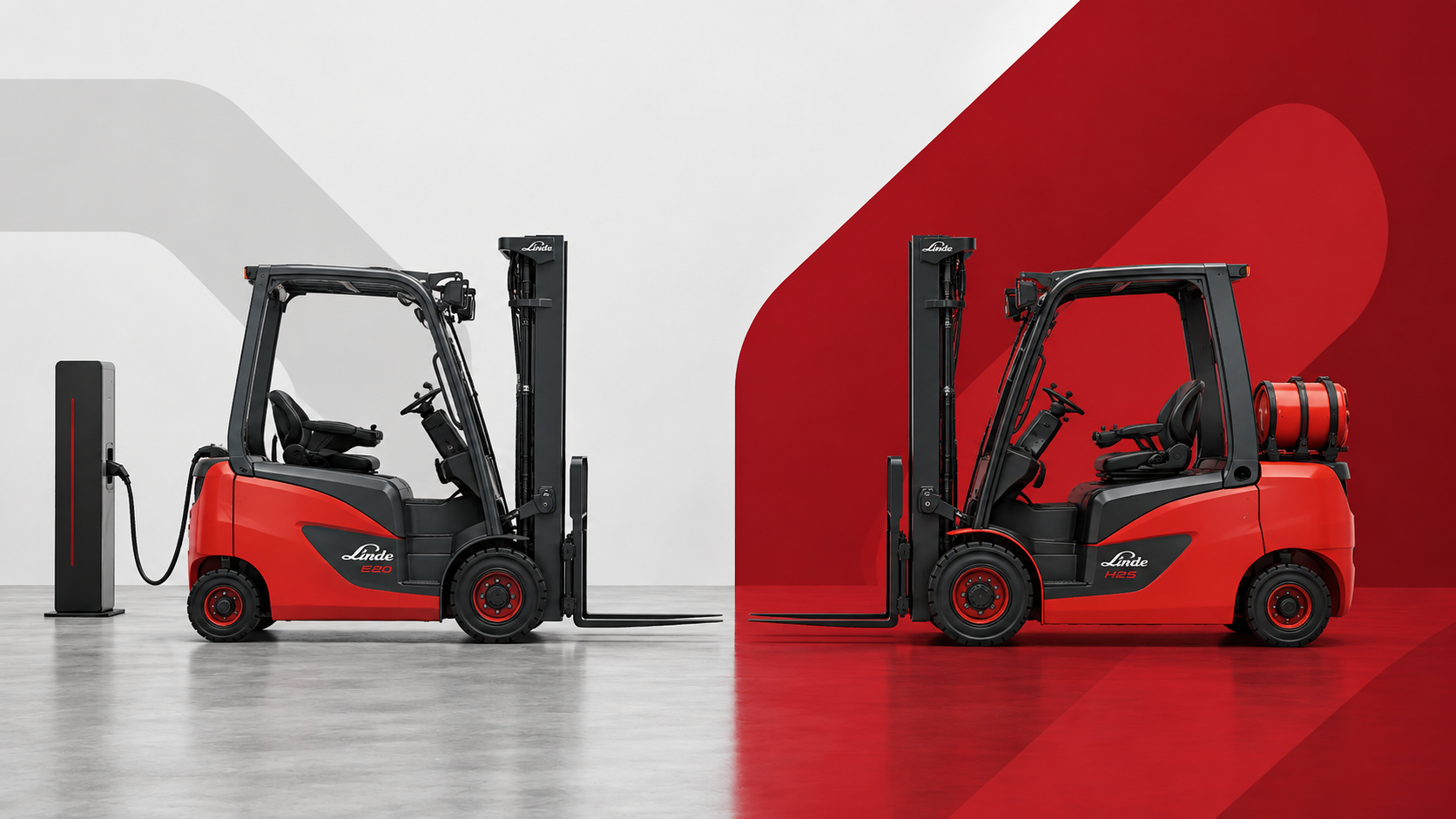
Which Is the Right Choice for Your Business?
Choosing a forklift involves much more than comparing lifting capacity or purchase price. Your decision will have a long-term impact on productivity, operating costs and overall business efficiency. One of the most common questions companies face is whether to choose an electric or an LPG (gas-powered) forklift.
In recent years, the European forklift market has been undergoing a significant transformation.
By 2025, electric forklifts accounted for more than 53% of the total European forklift market, and demand continues to grow, driven by rapid advances in lithium-ion battery technology, the modernisation of logistics operations, and an increasing focus on sustainability.
Today, electric forklifts are one of the most popular choices for warehouses, logistics centres and manufacturing facilities. They offer quiet operation, precise handling and lower operating costs.
Key advantages:
One of the main drivers behind the growing popularity of electric forklifts is lithium-ion battery technology. Lithium-ion batteries allow forklifts to be recharged during short breaks, reducing downtime and improving overall operational efficiency.
For indoor logistics operations, models such as the Linde Xi10 – Xi20, Linde E20 – E35 and Linde X20 – X35 are frequently chosen. These electric forklifts are designed to meet varying levels of operational intensity, making them ideal for warehouse and manufacturing environments.
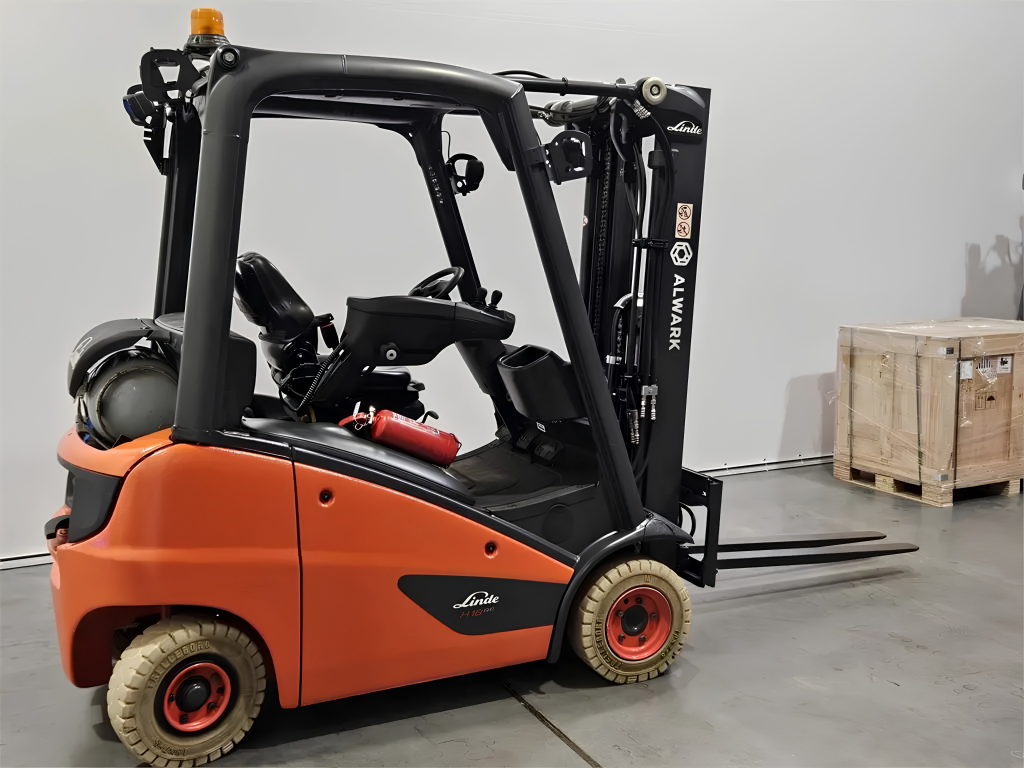
LPG (gas-powered) forklifts remain an excellent choice for businesses whose equipment operates both indoors and outdoors, or in demanding, high-intensity applications.
Key advantages:
For applications requiring continuous operation, Linde H20 – H35 series forklifts are a popular choice.
As LPG forklifts are powered by internal combustion engines, they produce exhaust emissions, operate at higher noise levels, and require more maintenance than electric models. When used indoors, adequate ventilation must be provided to ensure a safe working environment.
Electrification has become one of the most significant developments in the logistics industry. In 2025, electric forklifts surpassed internal combustion models for the first time in terms of import value within the European Union.
This trend reflects a growing preference among businesses for electric equipment as they seek to reduce operating costs, improve energy efficiency and support more sustainable operations. According to industry analysts, the European electric forklift market is expected to continue its strong growth in the coming years.
There is no single answer—it depends on your operational requirements.
If your equipment is used primarily indoors, electric forklifts generally offer lower energy consumption and reduced maintenance costs over the long term.
If uninterrupted operation, rapid refuelling and intensive outdoor use are your priorities, an LPG forklift is often the more practical choice.
Electric and LPG forklifts each offer distinct advantages, making the right choice dependent on your specific operating environment and business needs.
Electric forklifts provide quieter operation, lower operating costs and are ideally suited for indoor logistics applications. LPG forklifts remain a reliable solution for intensive operations and businesses that require equipment to perform efficiently in both indoor and outdoor environments.
When selecting a forklift, it is important to consider not only your current operational needs but also the long-term value of your investment. Choosing the right equipment can improve productivity, reduce operating costs and support smoother day-to-day operations.
If you are looking for the most suitable solution for your business, ALWARK’s specialists will help assess your operational requirements and recommend the equipment that best meets your needs.